Project Strategy
GI SEA’s three-year strategic framework, complemented by annually defined priority pillars
Strategic framework
In the first two years (2013-2014) following its launch, the project operated on a biennial implementation cycle; this was revised to a triennium from 2015, to allow greater continuity and ability for the project to conduct longer-term planning. During the 2019 Annual Meeting, the Steering Committee expressed consensus to continue with a 3-year implementation cycle; the last triennium (2021-2023) ended in 2023. The current triennial strategic framework spans 2024 to 2026.
2024 - 2026 Strategy
Legislation
Support partner countries in strengthening national legal frameworks and aligning with relevant IMO Conventions.
Contingency Planning
Enhance national oil spill/HNS contingency plans and preparedness systems.
Operational Capabilities
Build spill response and coordination capacity through training, exercises, and resource support.
Tools
Promote RETOS™ assessments and develop a GI SEA regional methodology aligned with GI WACAF.
Cooperation
Support implementation of the Regional Oil Spill Contingency Plan (ROSCP) and formalise its coordination mechanism.
Industry & Membership
Organize the GI SEA Regional Conference to guide the next triennium and strengthen industry membership.
2026 Strategic Pillars
Each year, key strategic pillars are derived from the triennial strategic plan for the Project Manager to focus on. These pillars are discussed and agreed with the Project Steering Committee at the start of the year, while remaining closely aligned with the overarching triennial plan.
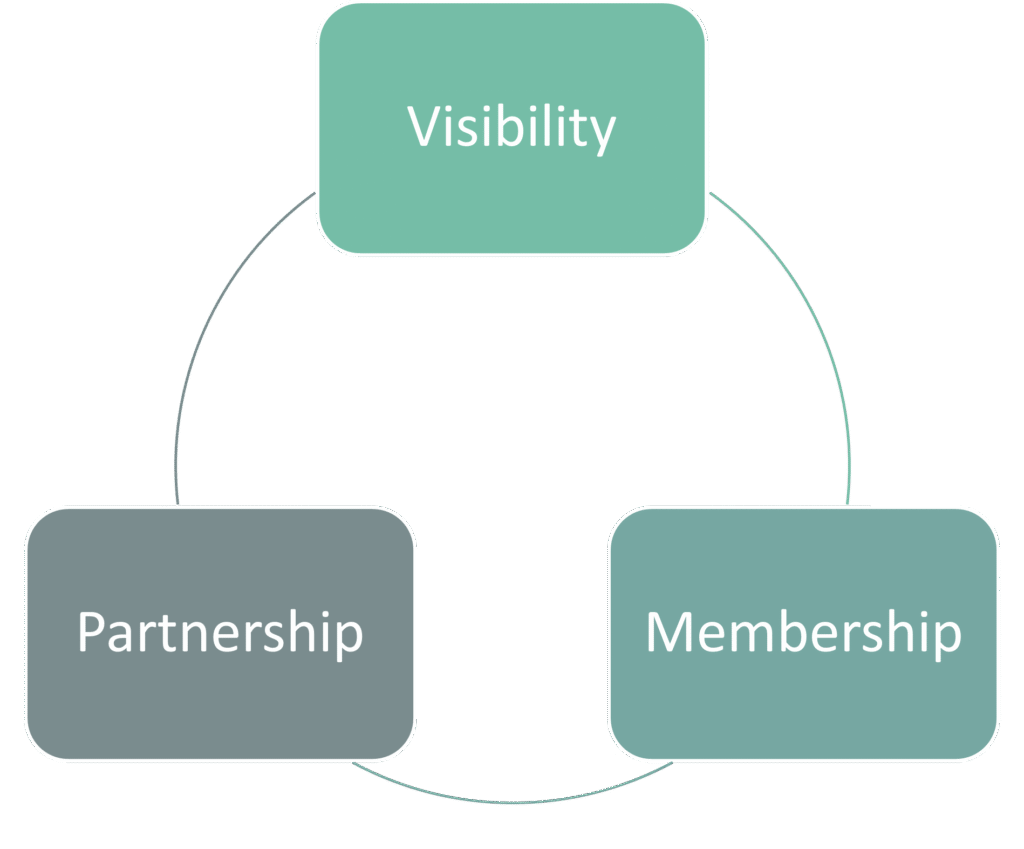
Visibility
Increase strategic visibility across Southeast Asia to reinforce the project’s credibility and broaden its stakeholder network.
Membership
Deliver greater value to existing members while expanding membership to strengthen support for this important initiative.
Partnership
Deepen engagement with technical partners to enhance collaboration and maximise regional impact.
A joint partnership between the IMO and Ipieca

Supported by our industry members